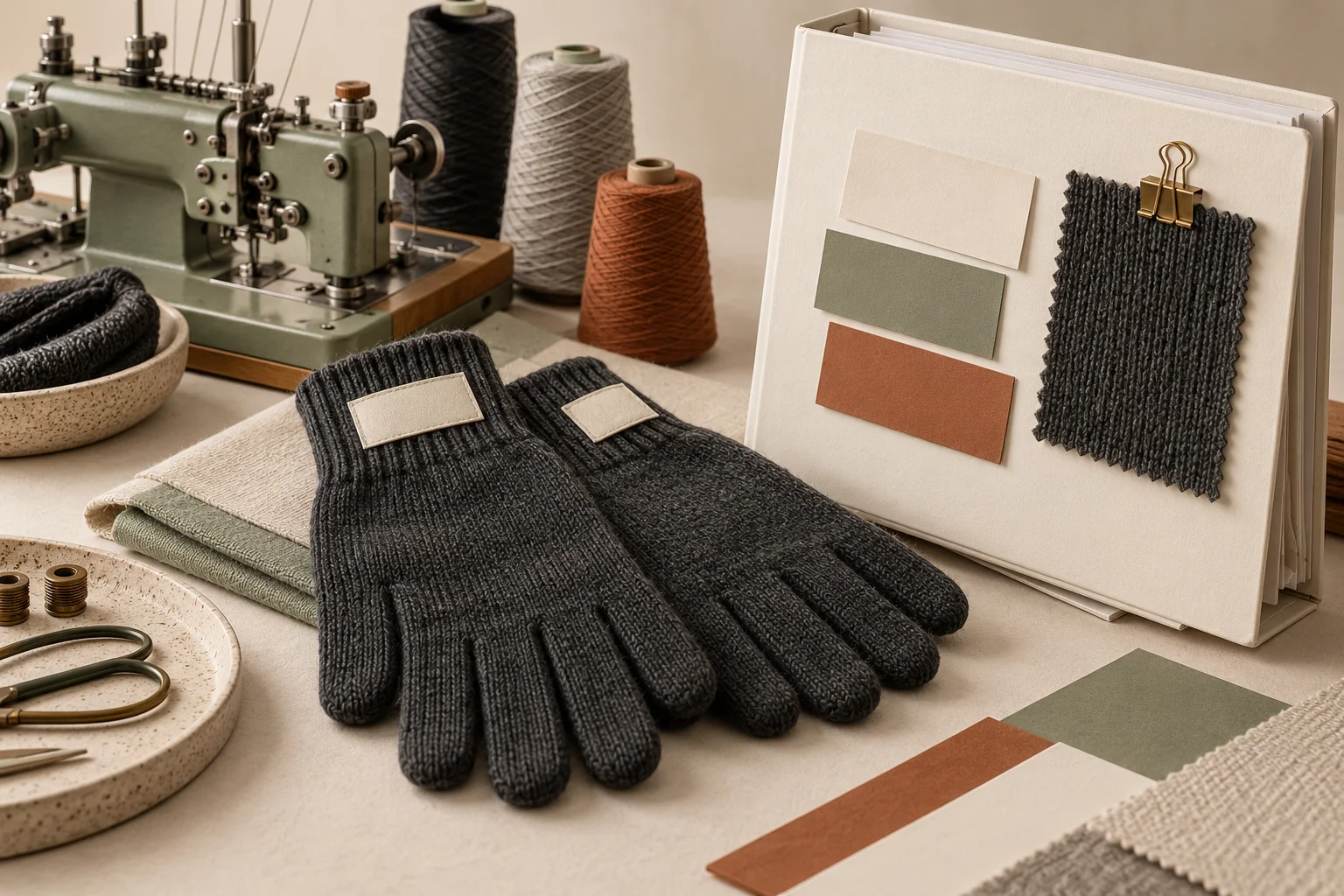
To source an OEM glove order, give the factory one identifiable construction, material direction and style/color quantity matrix. Compare quotations only after their product and delivery scope match. Then approve the sample and its specification before confirming the production start.
Start with a brief the supplier can quote
Identify the glove category, destination market, intended assortment and required arrival date. Attach your tech pack or reference sample and state which design details are fixed. List open decisions separately so the quotation can identify development work instead of hiding assumptions. VORLAN starts at 300 pairs per style per color. Include the size breakdown and state quantities in pairs, with packing configuration described as a separate packing requirement.
Build the assortment before comparing prices
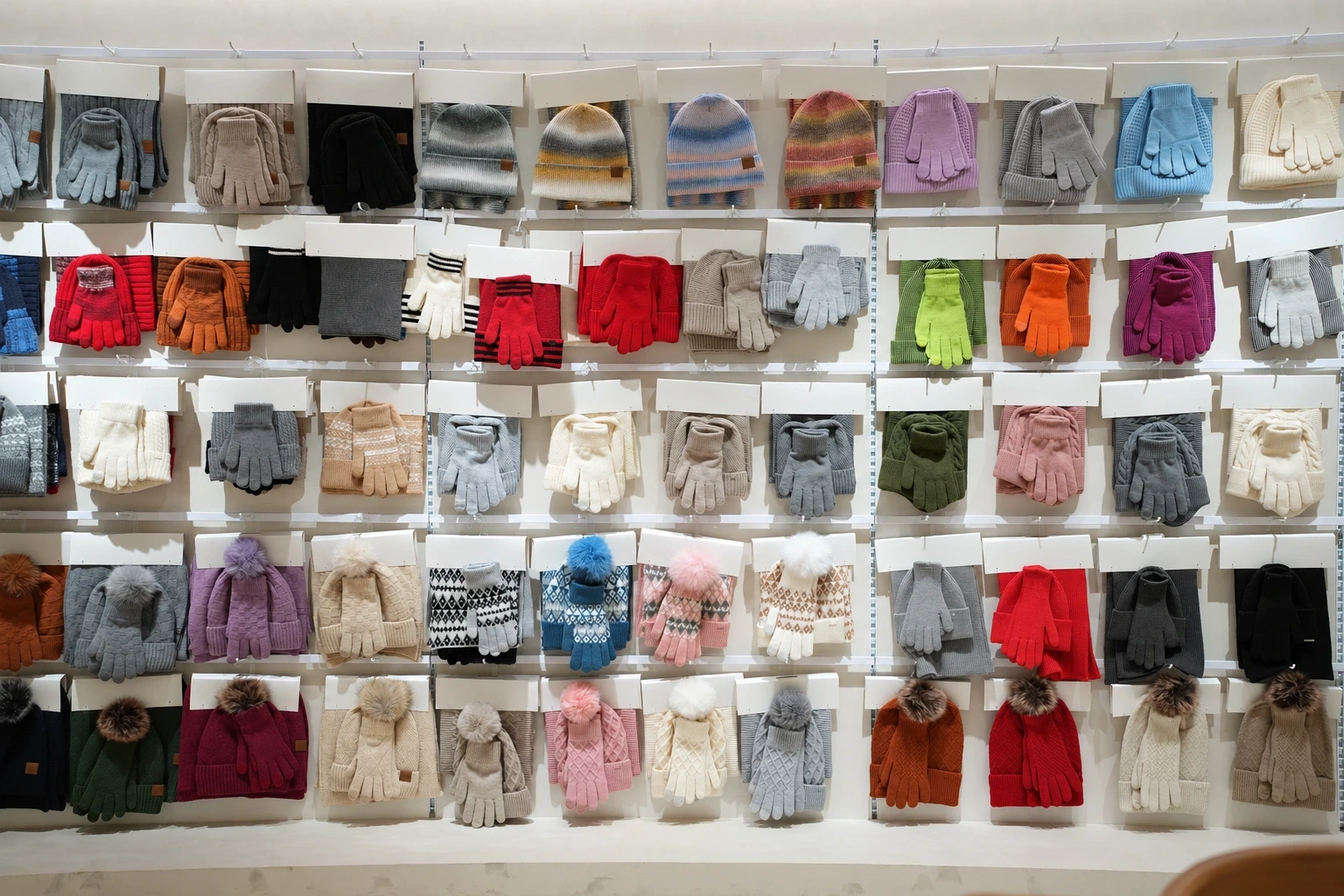
Use one row per style, color and size. Add a style reference, material version and intended packing format so visually similar items are not combined by mistake. Two colors of the same style need separate color totals when reviewing the MOQ. Compare quotations against the same matrix revision and ask how unconfirmed materials, artwork or packaging are treated. The downloadable assortment CSV provides fields for this working record.
Make material and fit decisions measurable
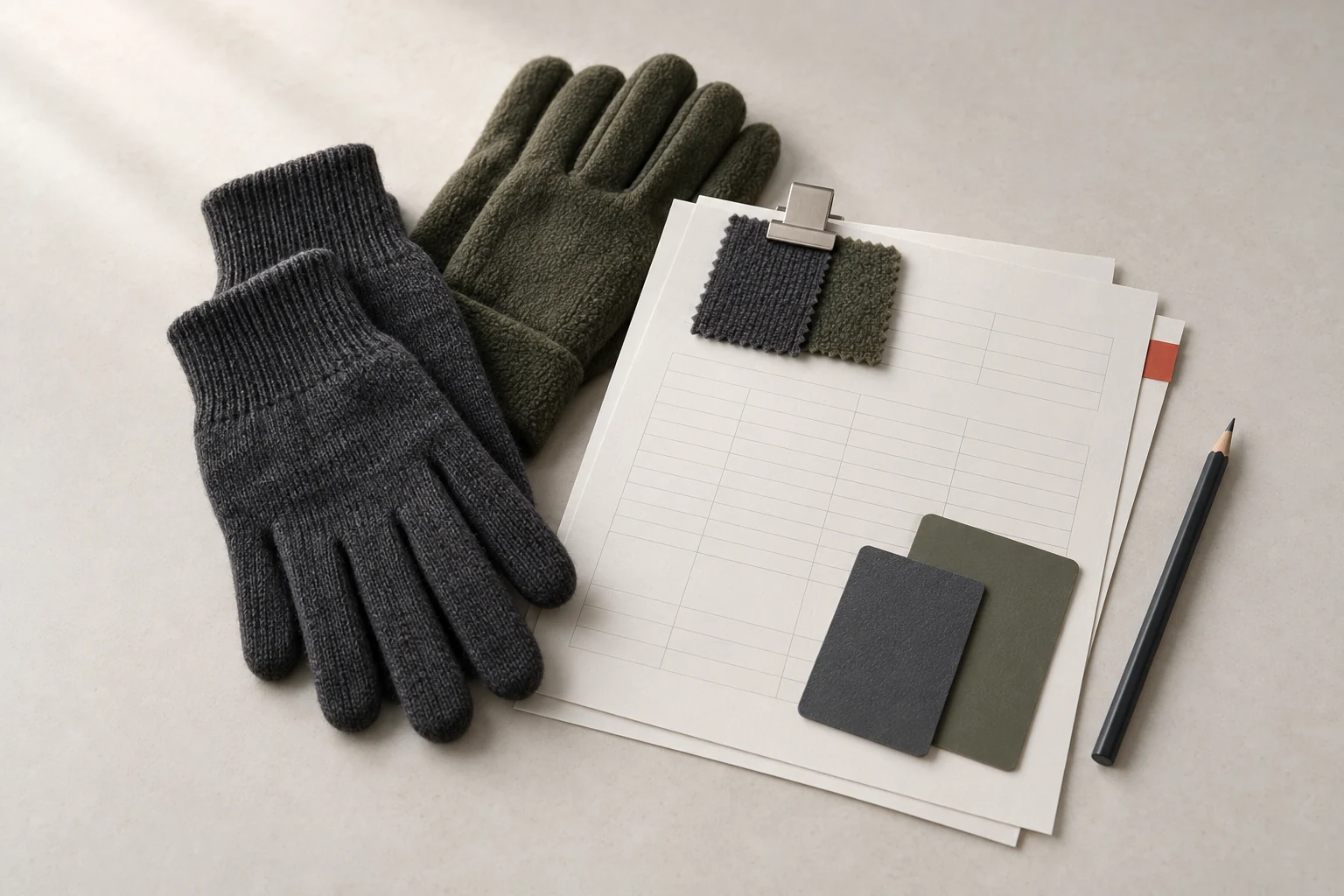
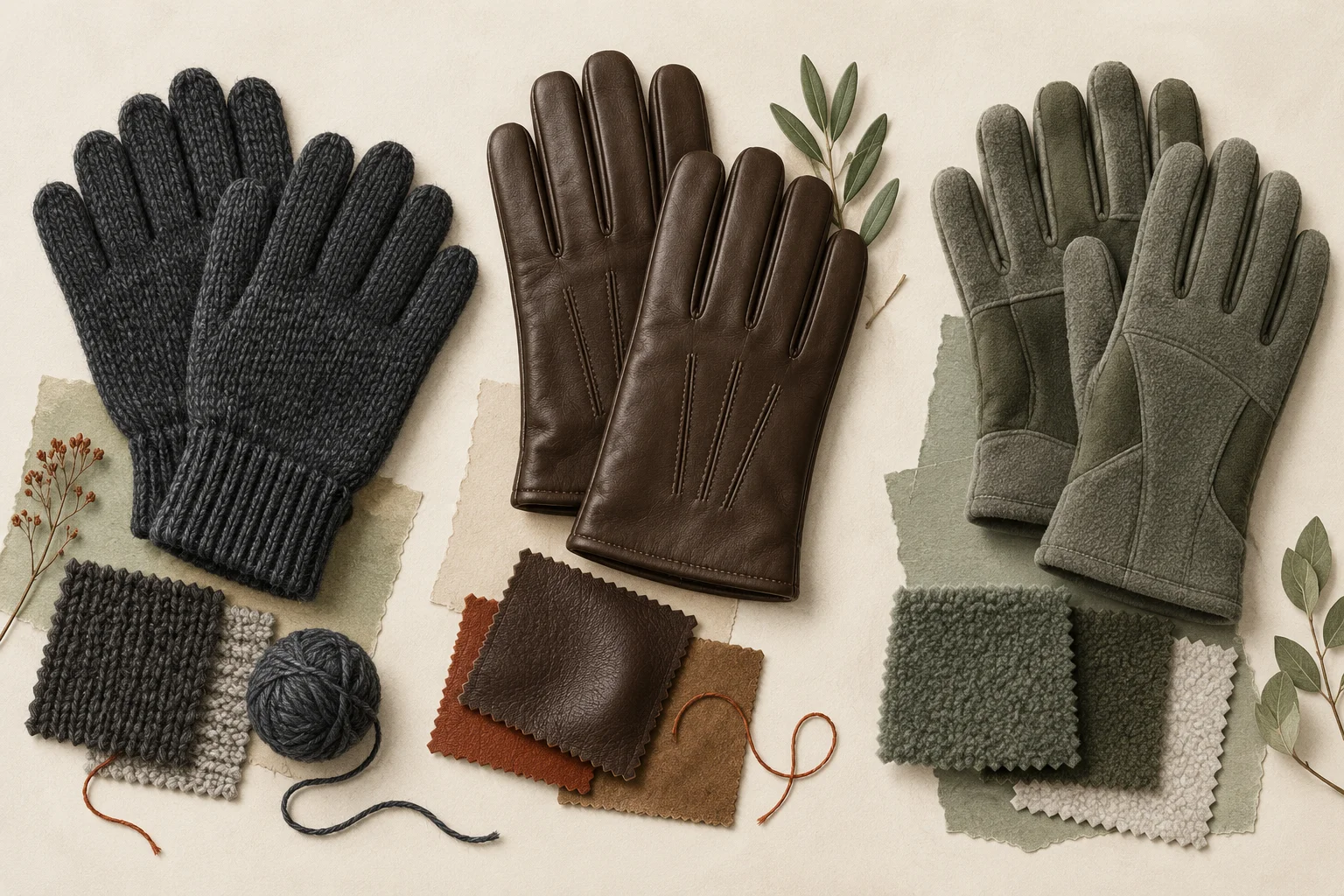
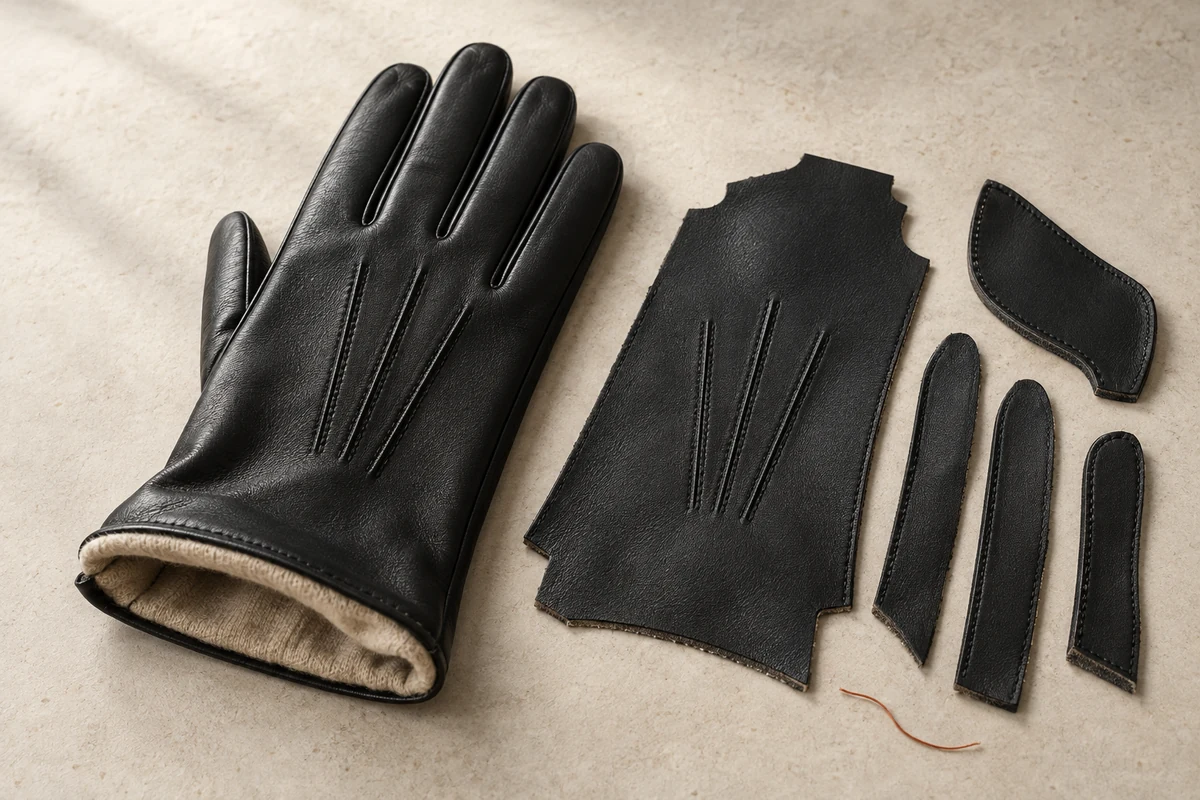
A photograph communicates a direction, but it does not fix fiber composition, fabric weight, leather finish, measurements or lining. Supply physical references where available, mark measurement points and agree tolerances. Record the chosen material and color references with the sample identifier. If a feature such as touchscreen interaction matters, define how it will be assessed. Resolve these details in writing before the sample becomes the reference for bulk production.
Ask what the quotation includes
Request a clear breakdown of development or sample charges, unit pricing basis, branding, labels, packaging, inspection and shipment arrangements as relevant to your project. Ask which trade terms, currency, payment terms and validity period apply; no universal terms are assumed here. Identify excluded work and the effect of a specification change. A useful comparison records the scope behind each price, rather than placing two unqualified unit prices side by side.
A lower unit price can describe a different glove or a different delivery scope. Use the following checks to decide whether two quotations can be compared. Request a revised quotation where the scope differs instead of adjusting the numbers yourself.
| Quotation difference | Why it matters | What to resolve |
|---|---|---|
| A material name without an identifier | “Fleece” or “leather” leaves the selected composition, finish or construction unresolved. | Ask for the quoted material reference and list any permitted alternative separately. |
| A total order quantity without color totals | The total may hide several smaller style/color groups. | Use the same assortment revision; VORLAN’s MOQ is 300 pairs per style per color. |
| One price includes labels; another does not | The apparent price difference includes a different decoration or packing scope. | List each applied label, artwork version and unit-pack component. |
| Dispatch date compared with arrival date | Production completion and destination arrival are different milestones. | Agree the start condition, dispatch basis and separate transport allowance. |
- 01
Name a base option and price changes separately
For a quilted winter style, fix the shell, palm and lining in the base brief. If you want another lining or quilt layout, ask for that alternative against the same quantities. This reveals the effect of the choice without mixing two entire specifications.
- 02
Close open assumptions before approving the sample scope
A quotation can start with proposals, but identify which items remain provisional. Keep the accepted material, artwork and packing options beside the quoted revision so a later approval does not refer to an outdated price basis.
Use one controlled sample approval record
Sampling takes 7–10 working days, with the start confirmed against the agreed scope and material availability. Review material, measurements, fit, seams, branding and packing. Record comments against the specific sample and consolidate them through one approval contact. If a revision changes the material or construction, agree whether another sample is needed. Retain the approved sample, specification and artwork together so the production team has one consistent reference.
Separate production timing from arrival timing
Bulk production takes 30–45 working days. This is not an order-to-door promise. Build the buying calendar backwards from the arrival date, allowing separately for material decisions, sample revisions, inspection, shipment booking, transit and destination clearance. Confirm when the production clock begins and which approvals must be complete first. If a date is critical, make it part of the quotation discussion and record the agreed schedule rather than inferring it from a generic lead-time statement.
Samples: 7–10 working days. Bulk: 30–45 working days. Confirm the start dates; allow separately for approvals and transit.
Agree inspection and shipment records
Before production, discuss the inspection scope, acceptance criteria, review timing and who approves a release. Ask which material or product documents are relevant to your destination and supplied specification. Confirm carton marks, quantity units, size and color breakdown, shipping documents and any third-party inspection arrangement. Requirements should be documented for the actual order; a category page or unrelated test report is not a substitute for that agreement.

Keep the file ready for a repeat order
Close the project file with the approved specification, material references, artwork, assortment, packing instructions and revision record. For a reorder, identify any requested changes and reconfirm current material availability, pricing and timing. Send your next RFQ with that reference file, or use the sourcing brief to make the new scope explicit. This gives both teams a clearer basis for discussing continuity without assuming that every commercial detail stays the same.
Buyer questions.
What is the minimum information needed for a glove OEM quotation?
Provide the category, design or sample reference, material requirements, quantity per style and color, size breakdown, branding, packaging, destination and required arrival date. Mark undecided details clearly. A quotation should state its assumptions and the development work still required.
Does the 300-pair MOQ apply to an entire mixed order?
The MOQ is 300 pairs per style per color. Do not pool different colors or styles to reach that number. Show the size breakdown within each style and color, and confirm packing configuration separately in the purchase specification.
Do the published lead times include shipping?
No. Sampling is 7–10 working days and bulk production is 30–45 working days. Material confirmation, revisions, inspection, transport and destination clearance need their own allowances. Start dates and the order schedule are confirmed against the project specification.
How do we compare factory quotations on the same basis?
Match the construction, material references, quantities, size assortment, brand application, packing and delivery scope first. Ask each proposal to identify development work and unresolved assumptions before comparing the quoted amounts.
Which supplier questions should be asked before sampling?
Confirm the relevant manufacturing route, development responsibilities, approval process, inspection scope and order records. Include any current facility information your sourcing review requires and relate it to the glove being developed.
What must be closed before bulk production starts?
Resolve the sample and specification revisions, material references, measurements, artwork, assortment and packing instructions. Confirm the quotation scope, acceptance criteria, approval contact and agreed start date in the order file.
Which changes can affect a glove manufacturing quotation?
Material selection, added lining, changed pattern or cuff, contact inserts, applied artwork, assortment and packing can all change the quoted scope. Ask the factory to identify the effect of each proposed change against the same base specification; no standard cost increase is assumed.
Should a bulk quotation include the sample shipping charge?
Keep development and bulk delivery scopes separate. VORLAN’s sample fee is US$80–100 including shipping, with the exact sample scope agreed first. Bulk freight and delivery terms are confirmed in the order quotation.
Sourcing brief
Bring your category, materials, quantities and development questions into one working brief.
Download the TXT template