 01 / Private label manufacturing
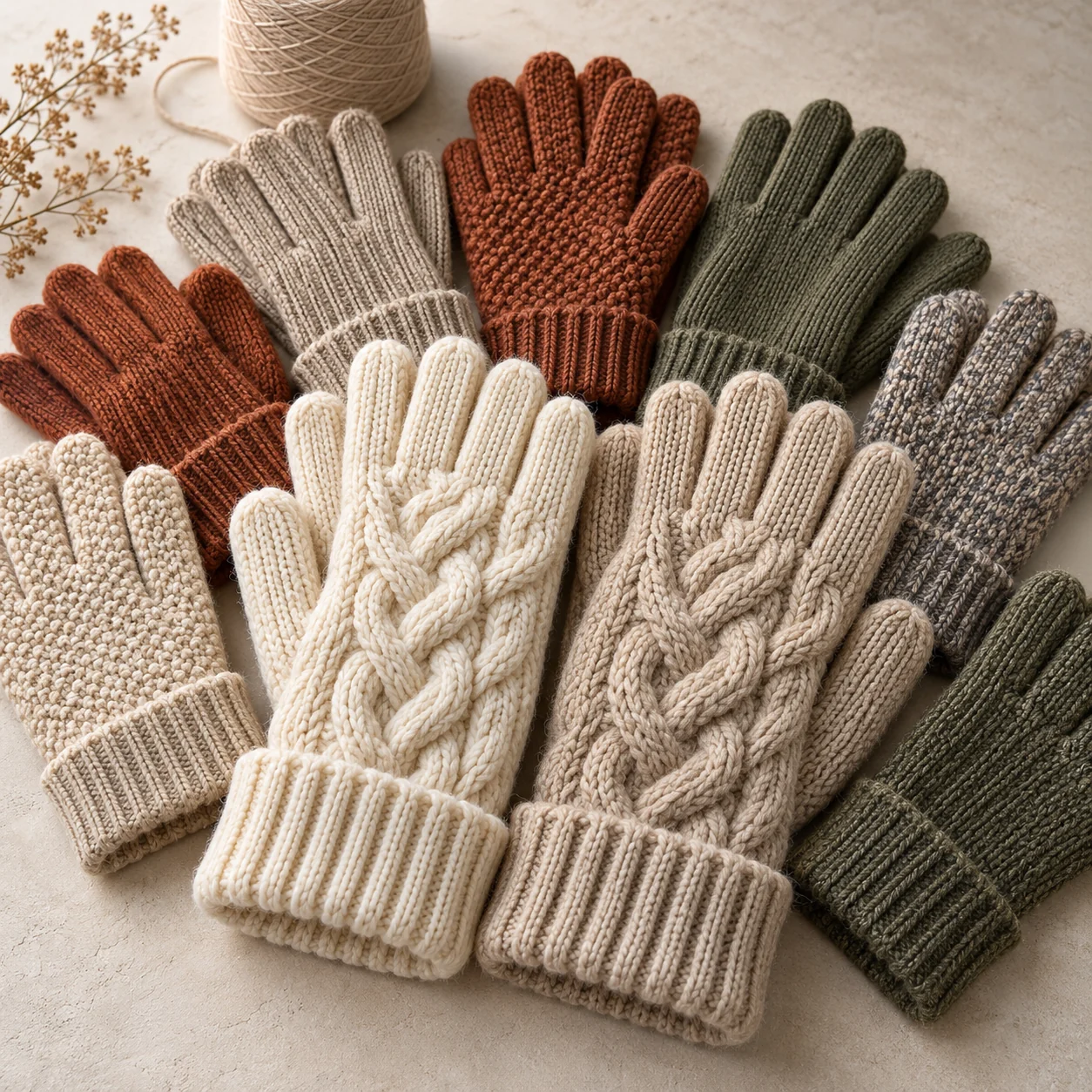
Knit Glove Manufacturer
Custom knitted glove manufacturing for apparel and accessories brands. Develop private label knit gloves around your yarn composition, knit structure, cuff, graded sizes and color plan.
Knit Glove ManufacturerYarn & knit construction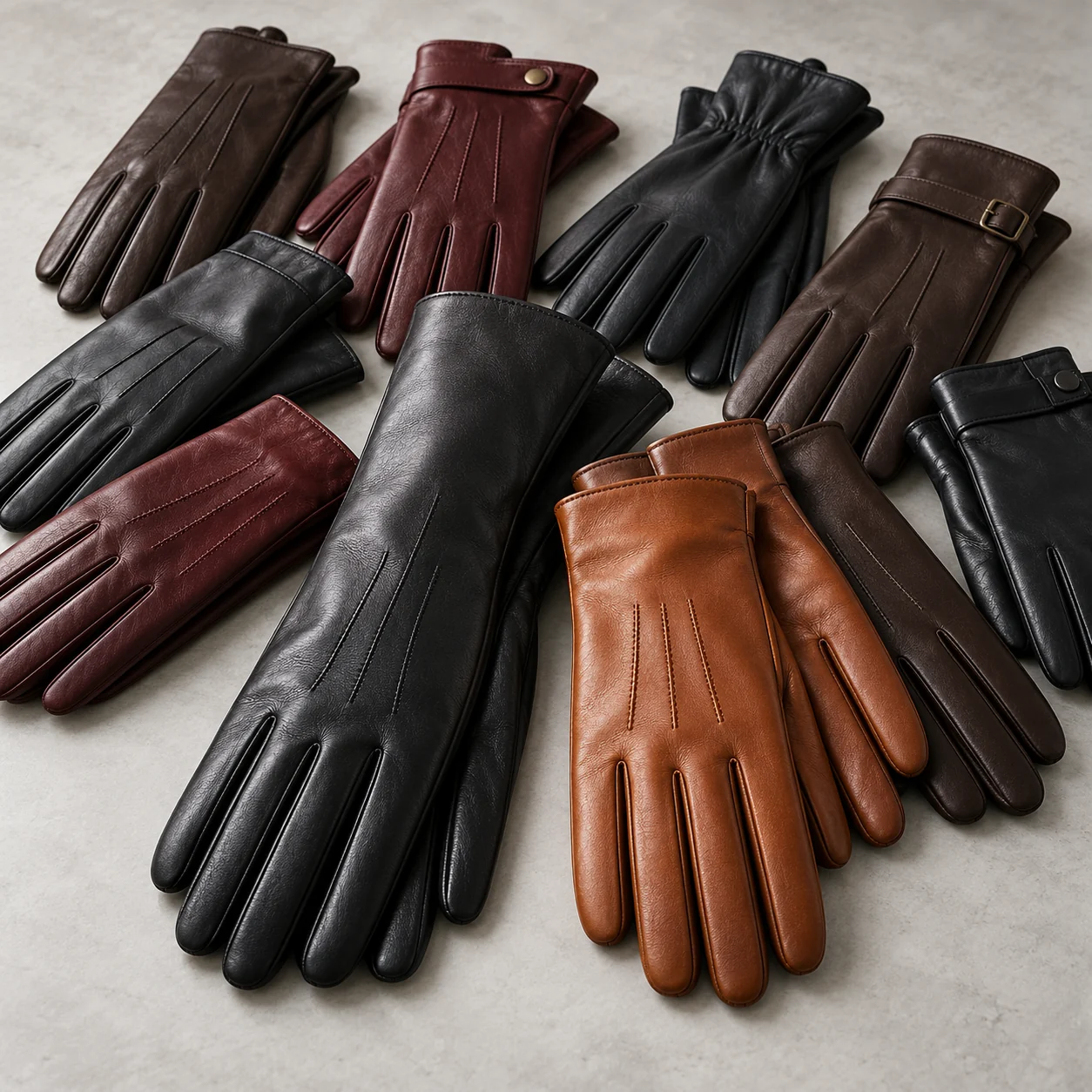 Leather Glove ManufacturerLeather & lining selection
 Fleece Glove ManufacturerFleece weight & construction
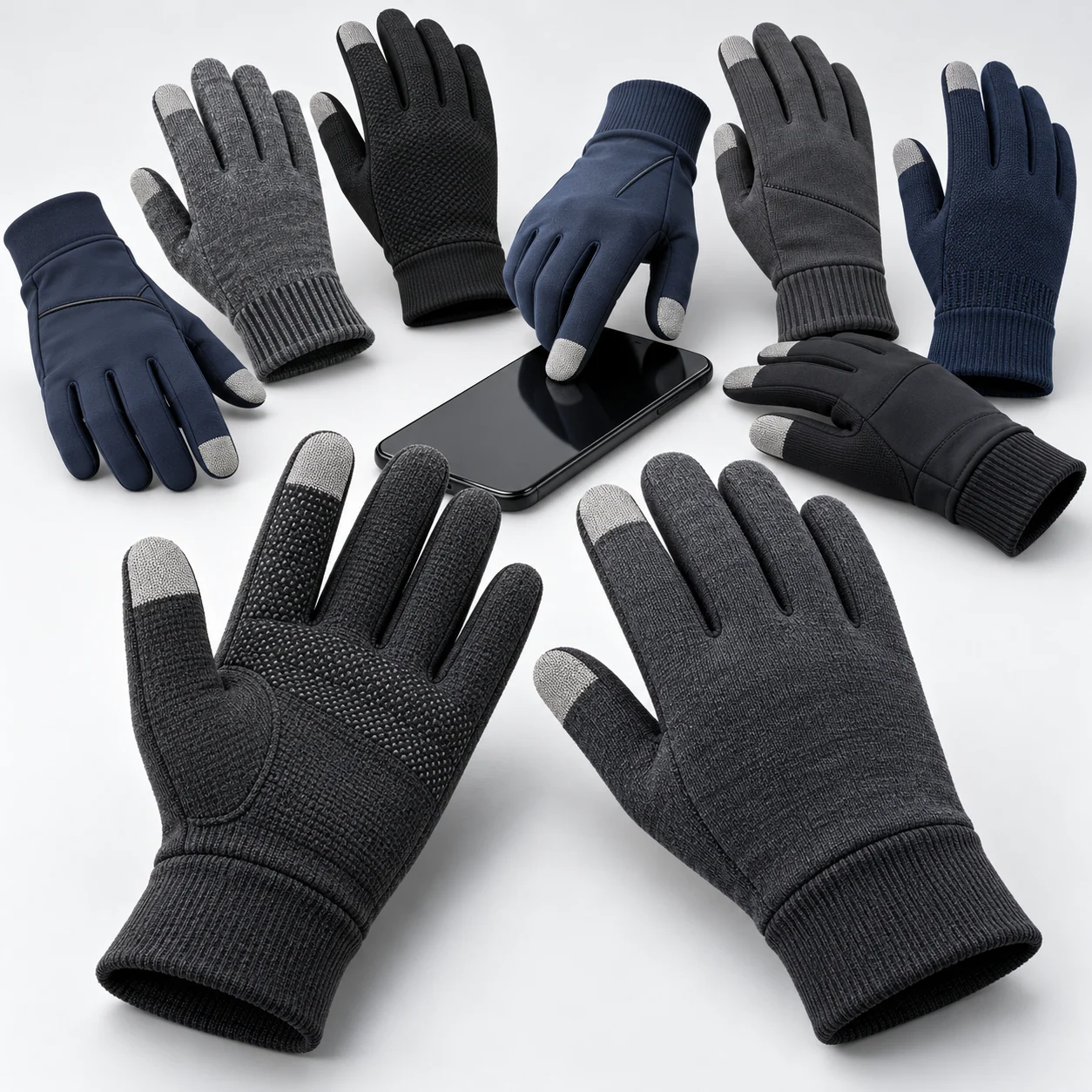 Touchscreen Glove ManufacturerConductive detail & compatibility
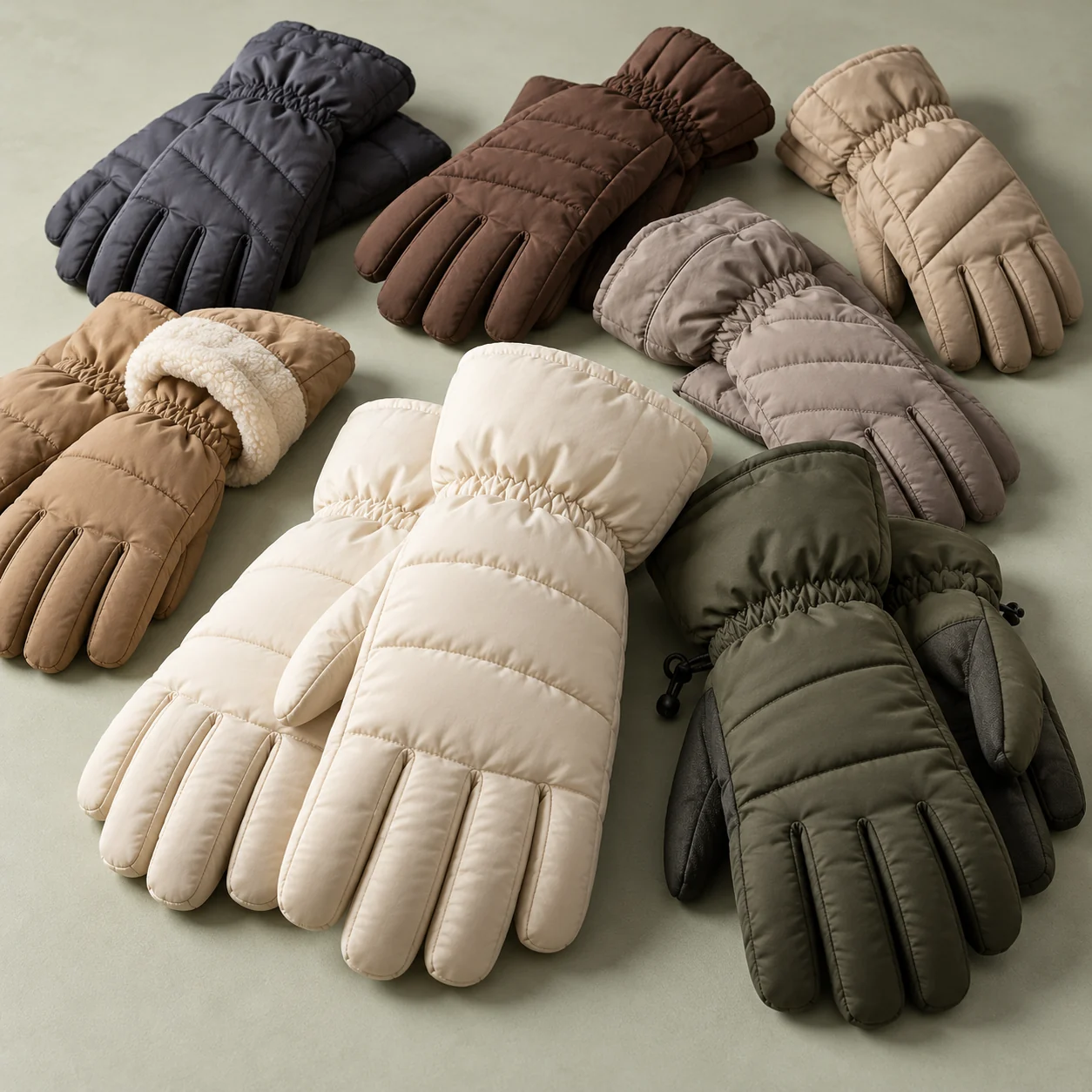 Winter Glove ManufacturerShell, lining & insulation
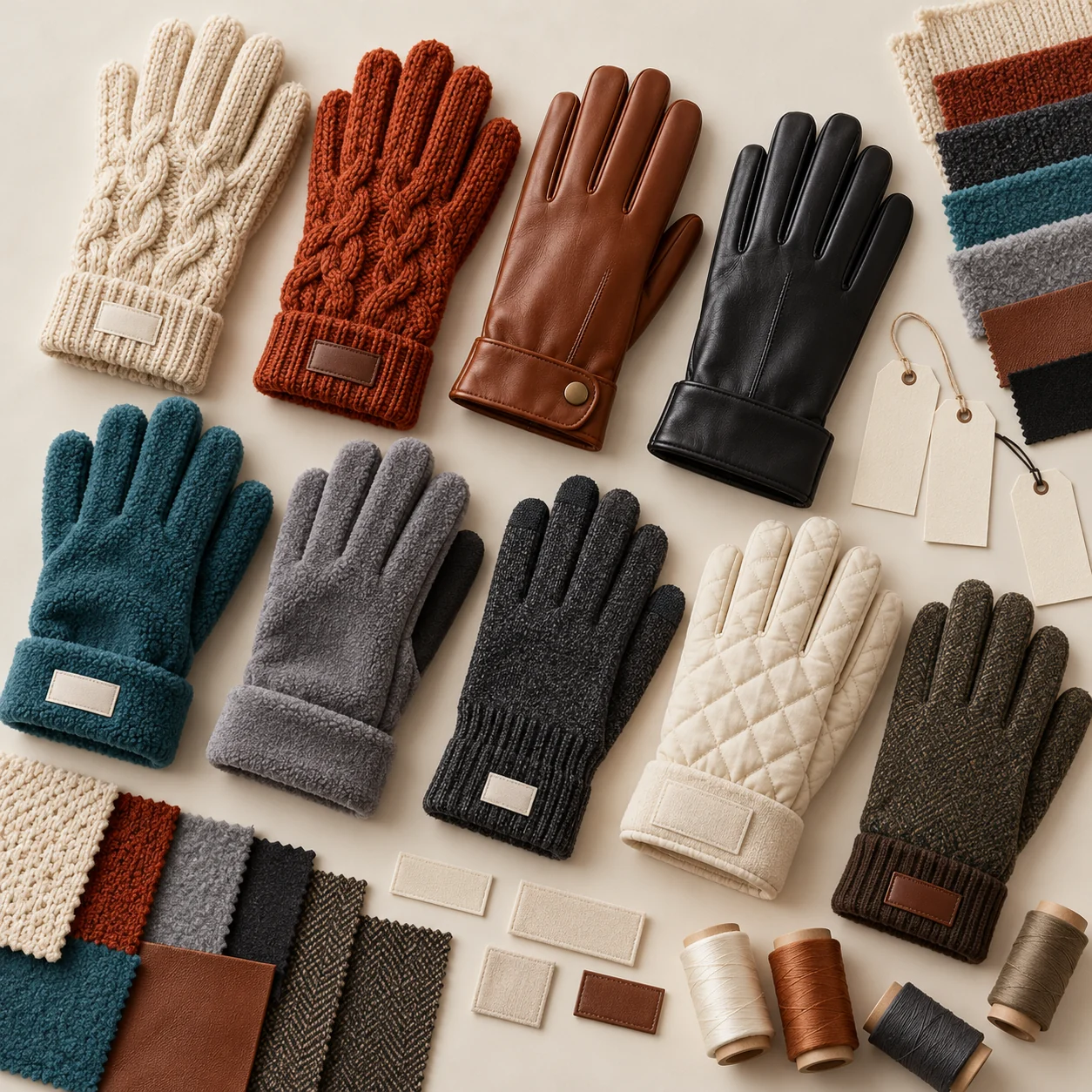 Custom Glove ManufacturerYour brief. A production-ready result.
Preparing the collection…
Find your manufacturing direction
Explore material families and construction possibilities for production in our own factory. The references below are starting points: develop additional styles, colors and details around your buying brief.
01 / Private label manufacturingCustom knitted glove manufacturing for apparel and accessories brands. Develop private label knit gloves around your yarn composition, knit structure, cuff, graded sizes and color plan.
02 / Private label manufacturingFashion leather glove manufacturing for apparel and accessories brands. Define leather, lining, pattern and size grading, then approve pair matching and stitch details on the sample.
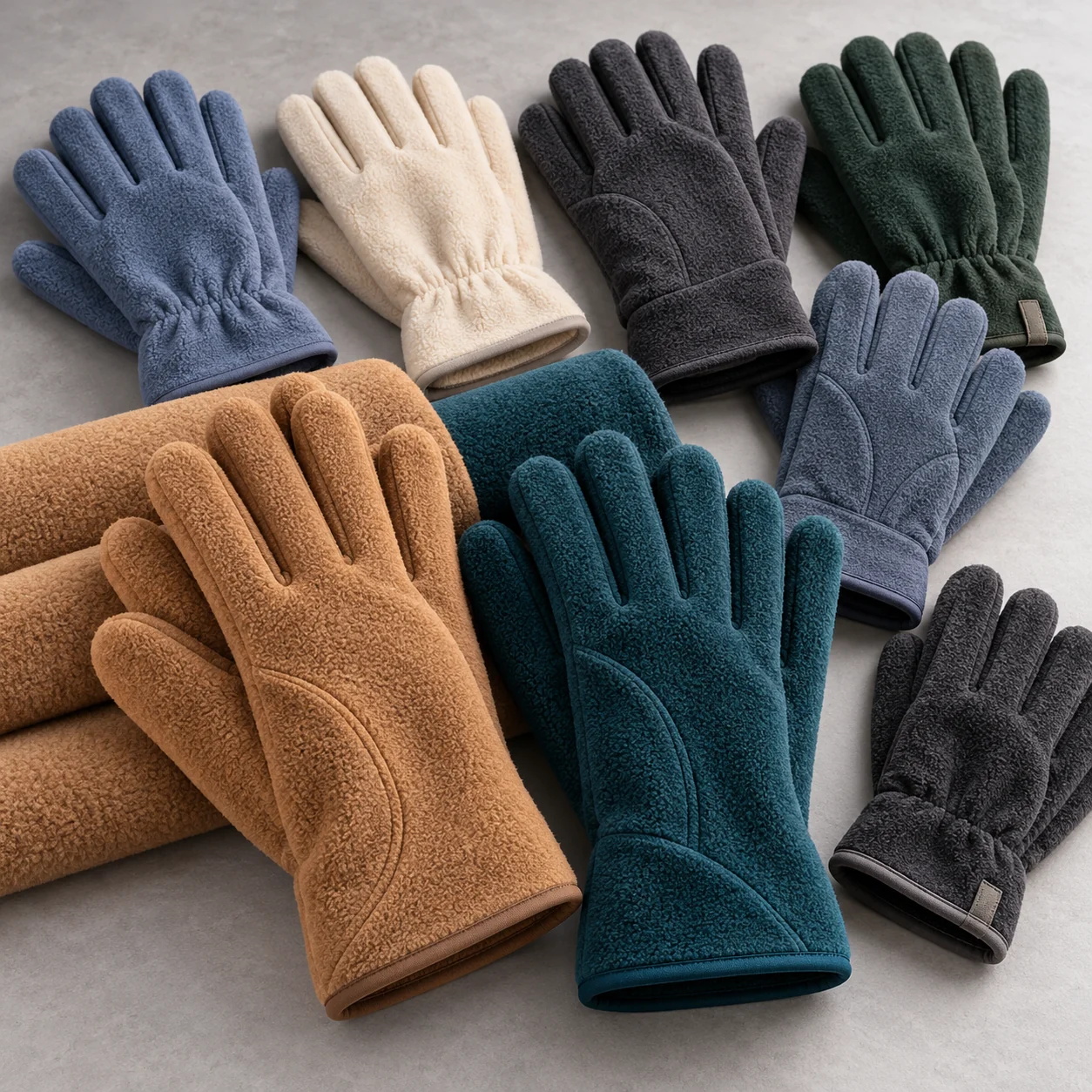
03 / Private label manufacturingFleece glove manufacturing for private label collections. Specify fabric composition and weight, panel shape, internal seams, cuff and fit as one production brief.
04 / Private label manufacturingDevelop private label touchscreen gloves from a knit, fleece or mixed-material base. Define conductive areas and evaluate the agreed device interactions on the complete sample.
05 / Private label manufacturingDevelop private label winter gloves for apparel brands and seasonal importers. Coordinate outer material, lining, cuff, fit and colorways with your sample and production calendar.
06 / Specification developmentDevelop a complete private label glove specification: materials, construction, graded sizes, colorways, labels and packaging. Keep the approved sample and specification version together for production and repeat orders.
MOQ: 300 pairs per style per color. The approved physical sample and written specification define your production order.
Our samples. Your next collection.
Explore glove directions, then connect your shortlist with the samples, people and production behind it. Our factory photographs bring the manufacturing conversation into view.
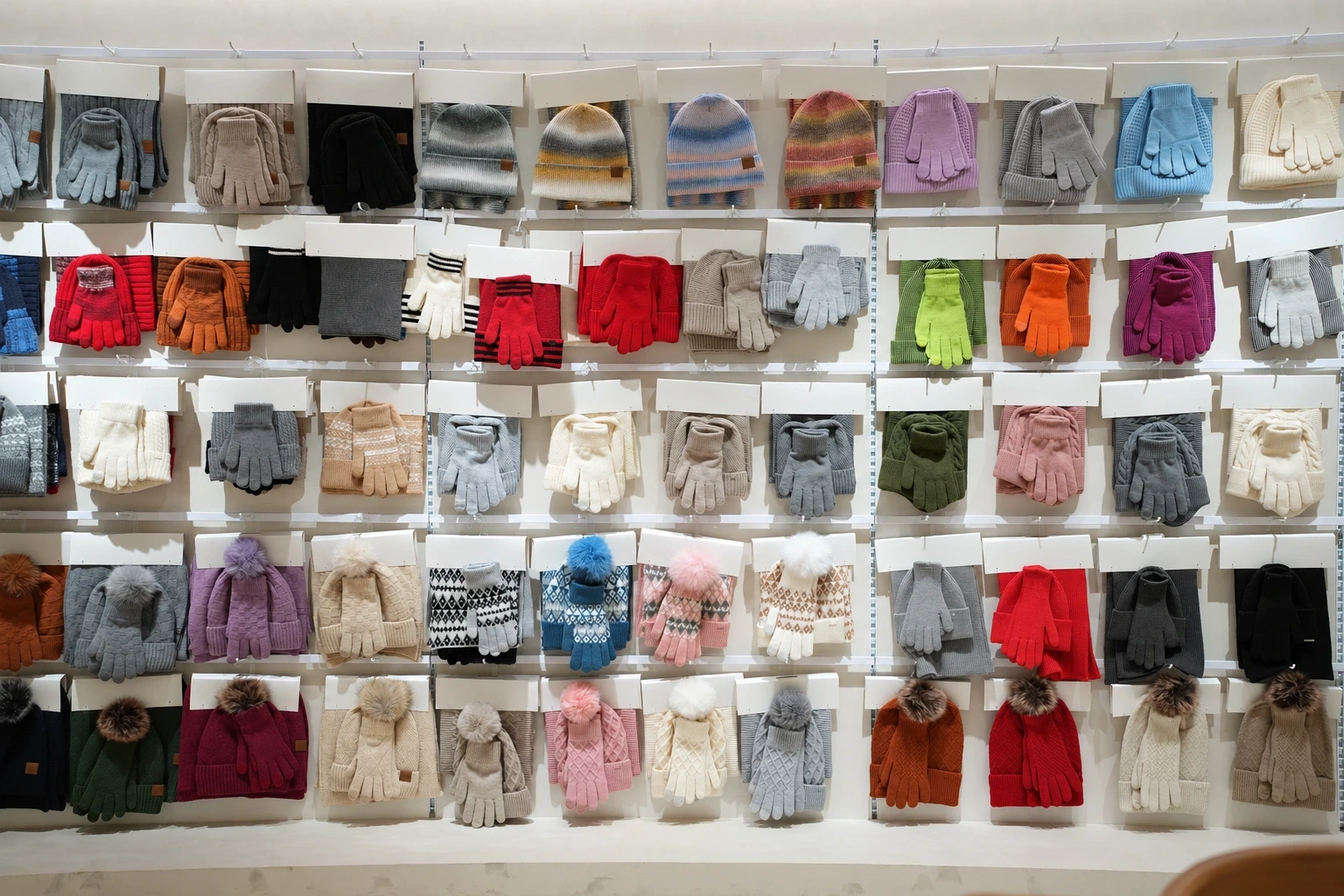
Share what you want to keep or change: materials, fit, cuffs, labels and the final assortment. Other constructions can be discussed even when they are not yet part of the online collection.
Define a custom glove program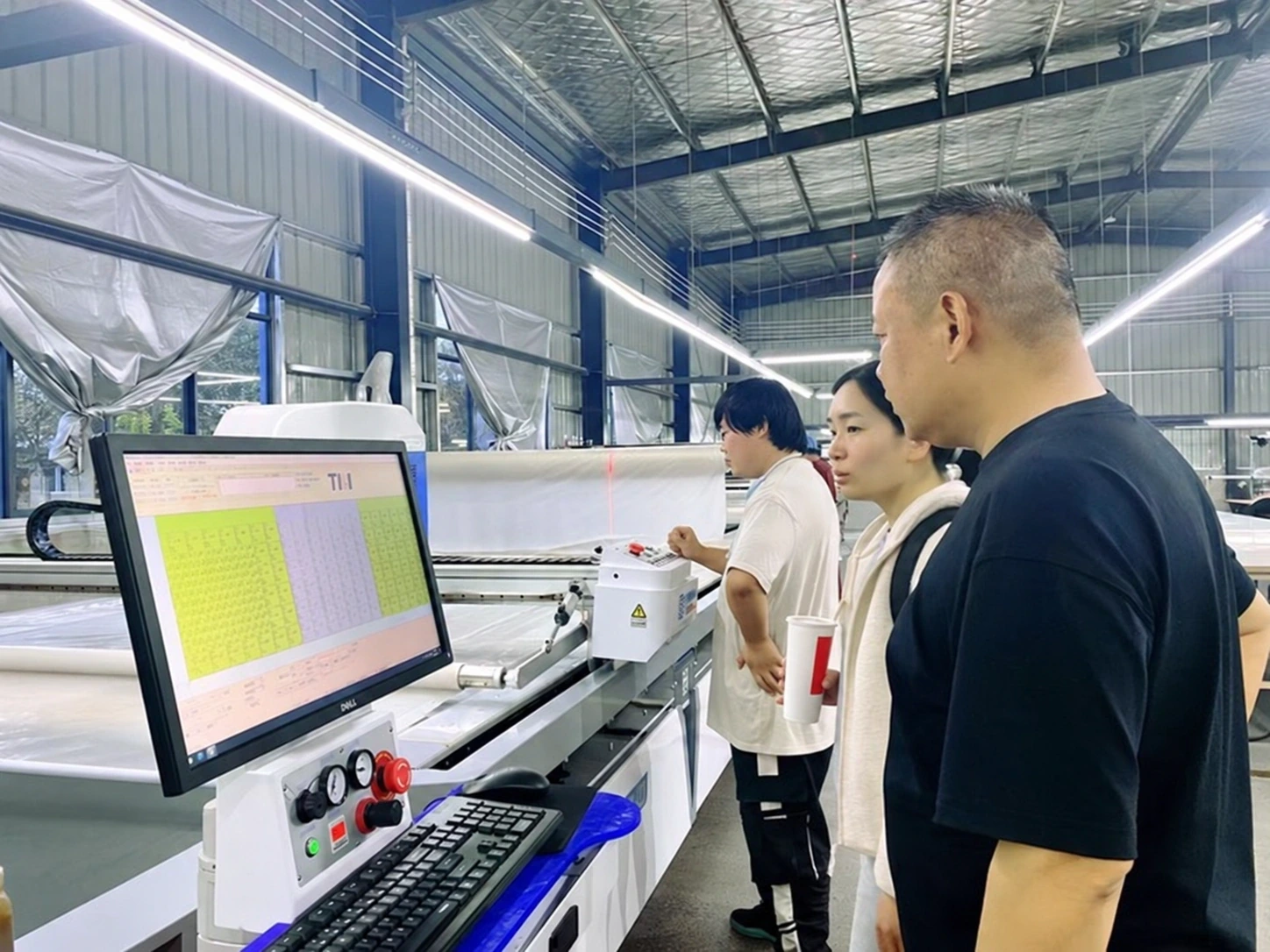
The material library
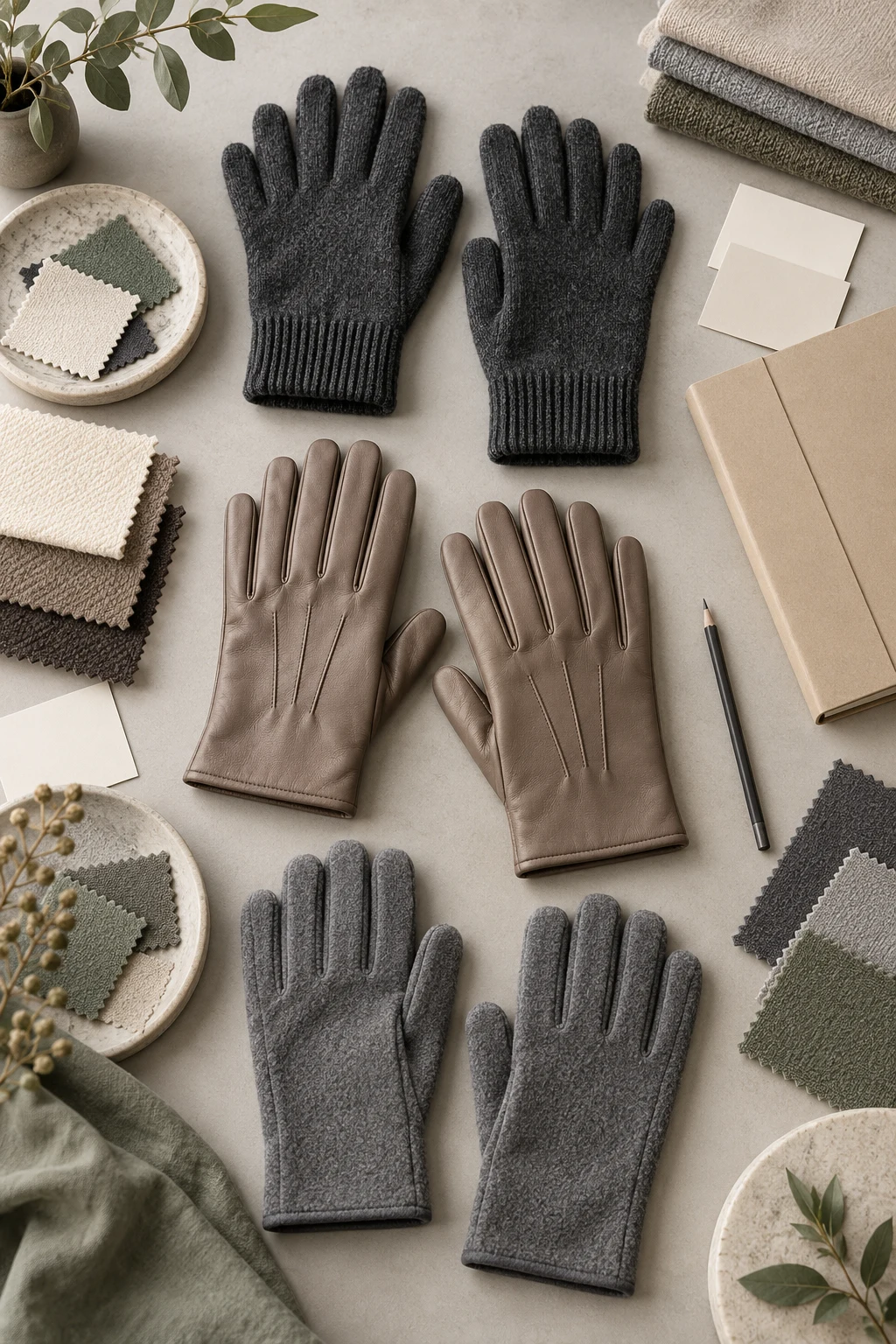
Explore a starting selection. More materials are available, with custom fabric development to suit your brief. Composition, colour and finish are agreed through sampling.
Hover or focus to see the glove detail. Tap or click to switch views.
Begin with the yarn. Let the stitch, weight and hand feel shape the collection.
Apparel and everyday accessory collections.
A pronounced structure that brings texture and definition to the wrist.
Knitted cuffs and texture-led development.
Compare the pile and the way the fabric behaves in a complete, sewn glove.
Seasonal textile and cut-and-sewn assortments.
Grain, surface finish and the seam treatment work together to define the character.
Accessories programmes built around finish and detail.
Specify the outer material around the intended use and the construction beneath it.
Panelled gloves and winter collection development.
Review the inside and outside as one glove. Each layer changes the fit and feel.
Lined styles and considered seasonal layering.
Inside VORLAN
From material planning to the final assortment, see the spaces behind the work. Factory-led development for brands, importers and wholesale teams.
Materials. Samples. Making.
One connected conversation.
Knitting equipment and operators on our factory floor. Confirm the construction route for each glove style.
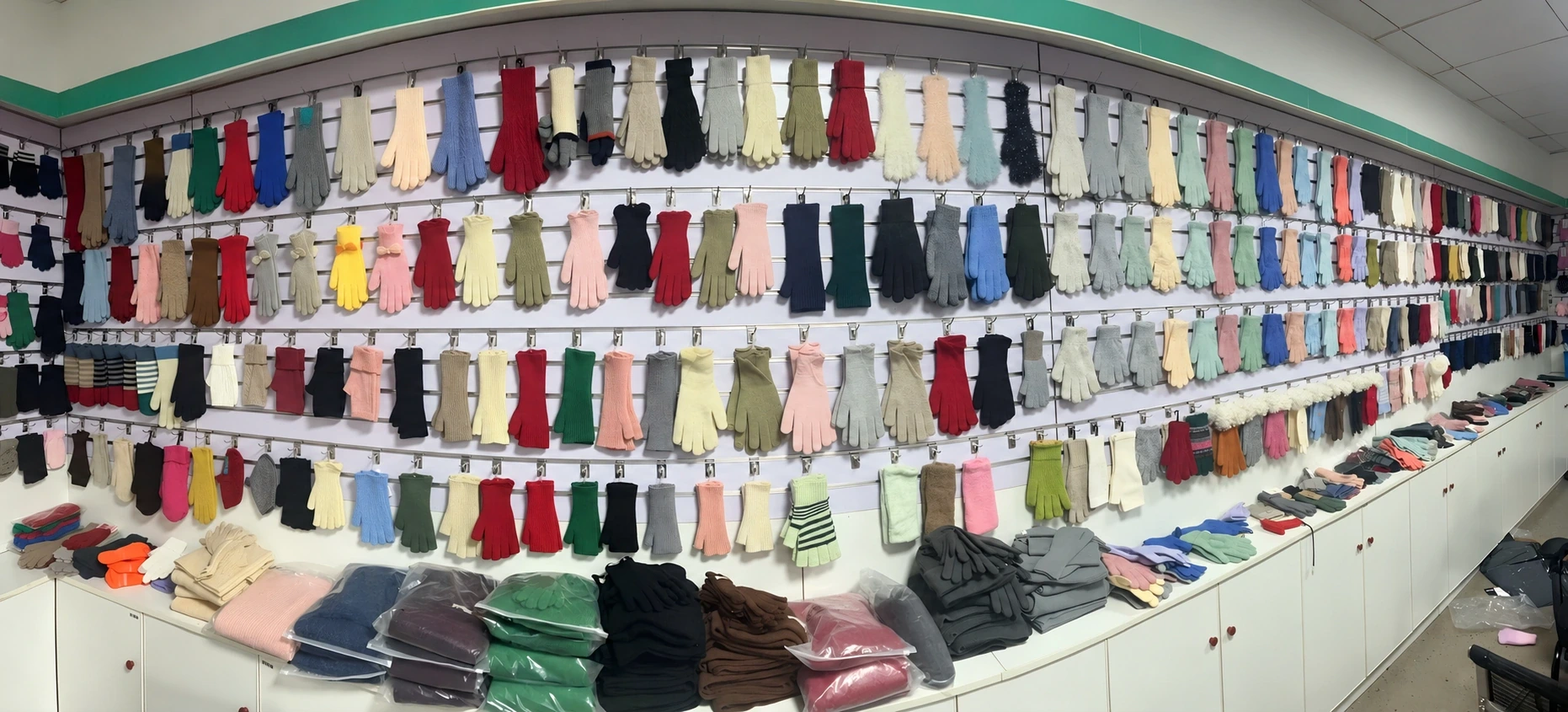
Glove samples across different constructions. Use a reference to discuss shape, materials and development scope.
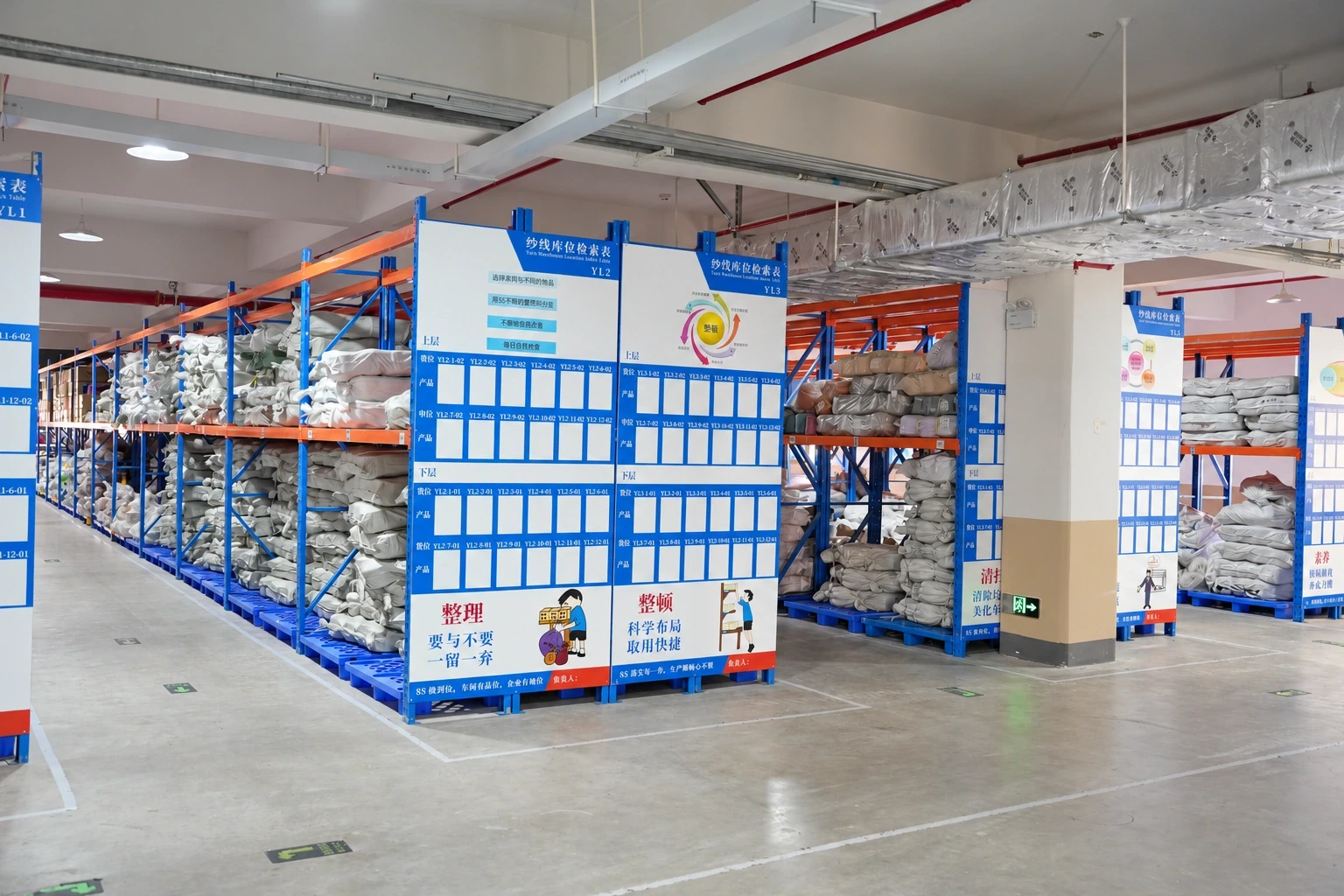
Yarn stored for production. Your approved yarn and color references identify the material required for the order.
Sewing workstations for bringing prepared components into the selected construction.
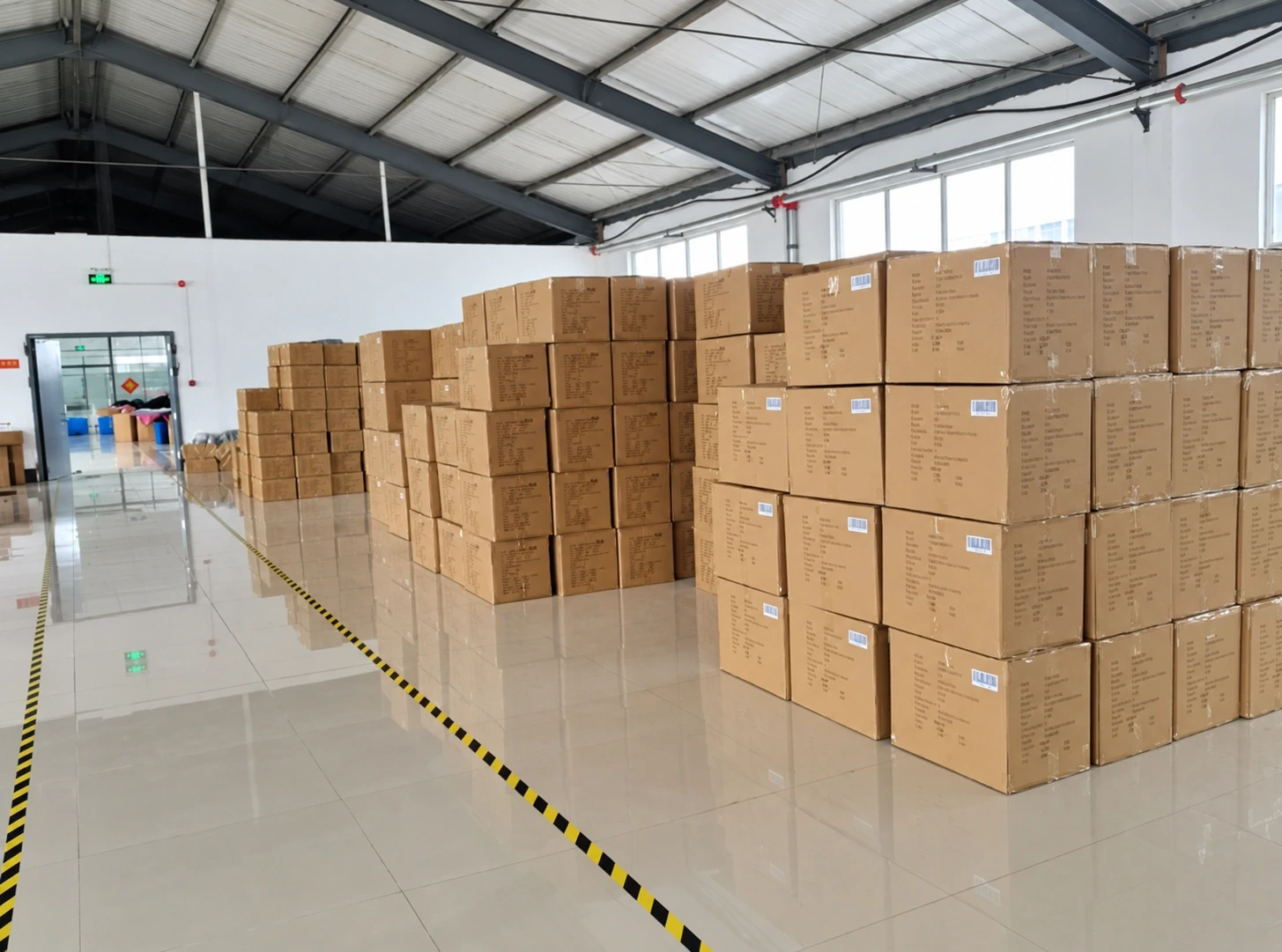
Glove packing and sorting at the factory. The assortment, labels and carton instructions follow the order specification.
Company factory photographs. Selected photographs have been retouched for clarity and environmental cleanup.
From reference to reality
A clear path from the first material decision to a packed order. Follow each stage and the decisions we confirm together.Photographs from our factory and sample displays.
Prepare materials and components for the selected making route.
Stages 01 — 02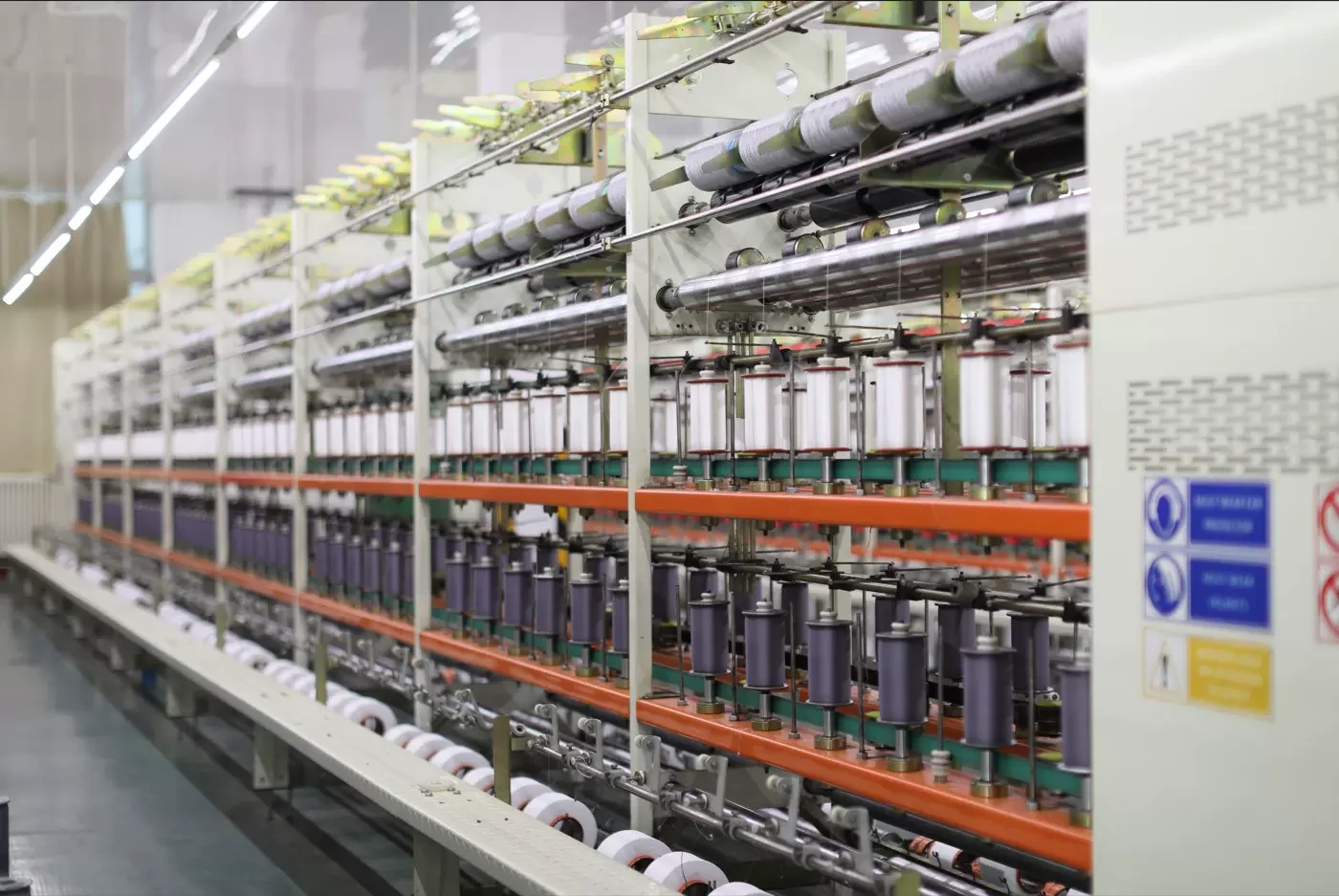
Define the starting point
Use the yarn, fabric or leather reference to define the material route. Bring color, lining and trims into the same approval file.
Confirm material identifiers and physical color references.
A shared material reference
For cut-and-sewn styles
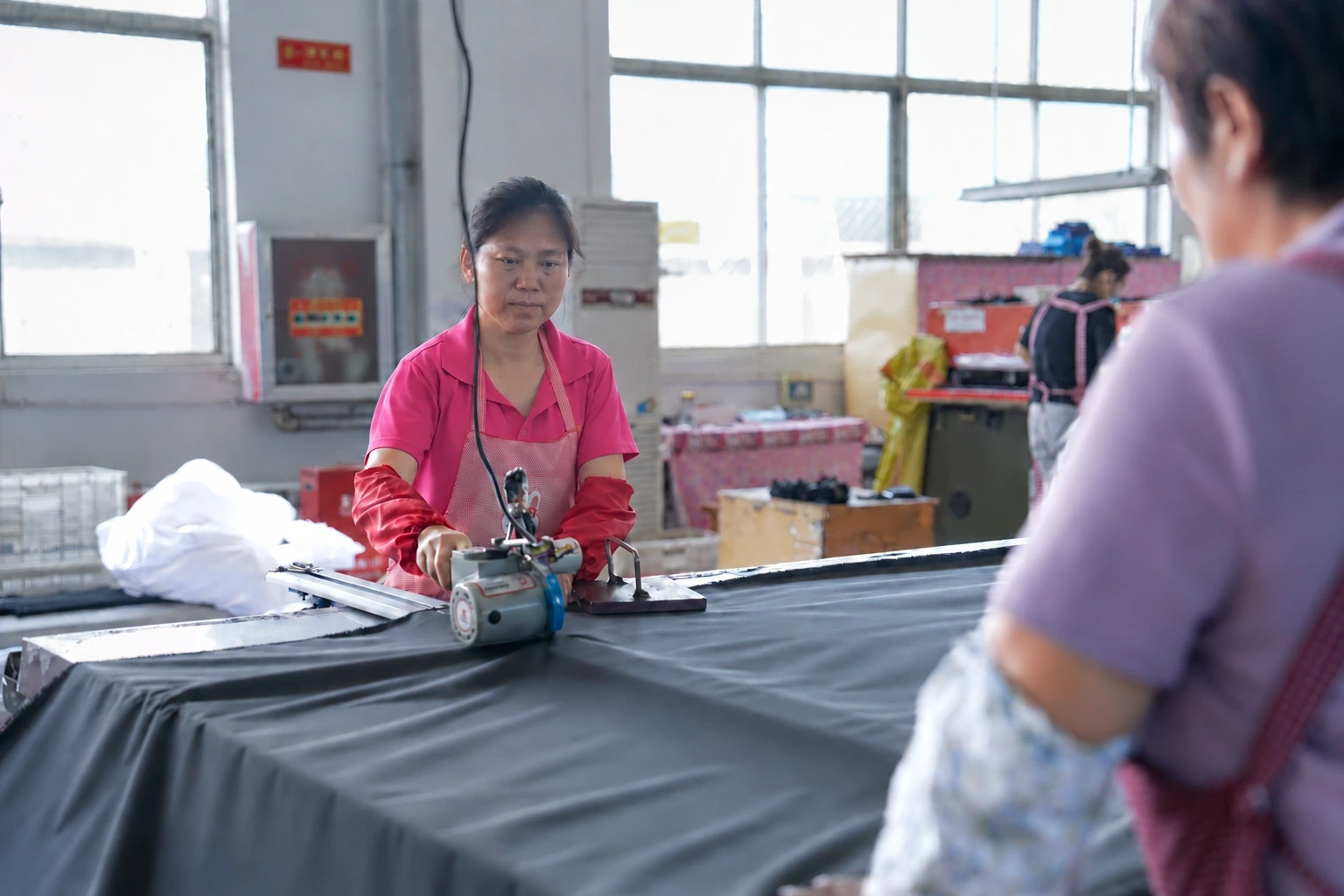
For cut-and-sewn constructions, prepare the panels from the agreed fabric or leather. Keep component shape, direction and color allocation connected to the approved pattern.
Identify the body, thumb, cuff and lining components in the approved construction.
Prepared components for assembly
Knitting and sewing depend on the selected material and construction. Not every order uses both.
Stages 03 — 04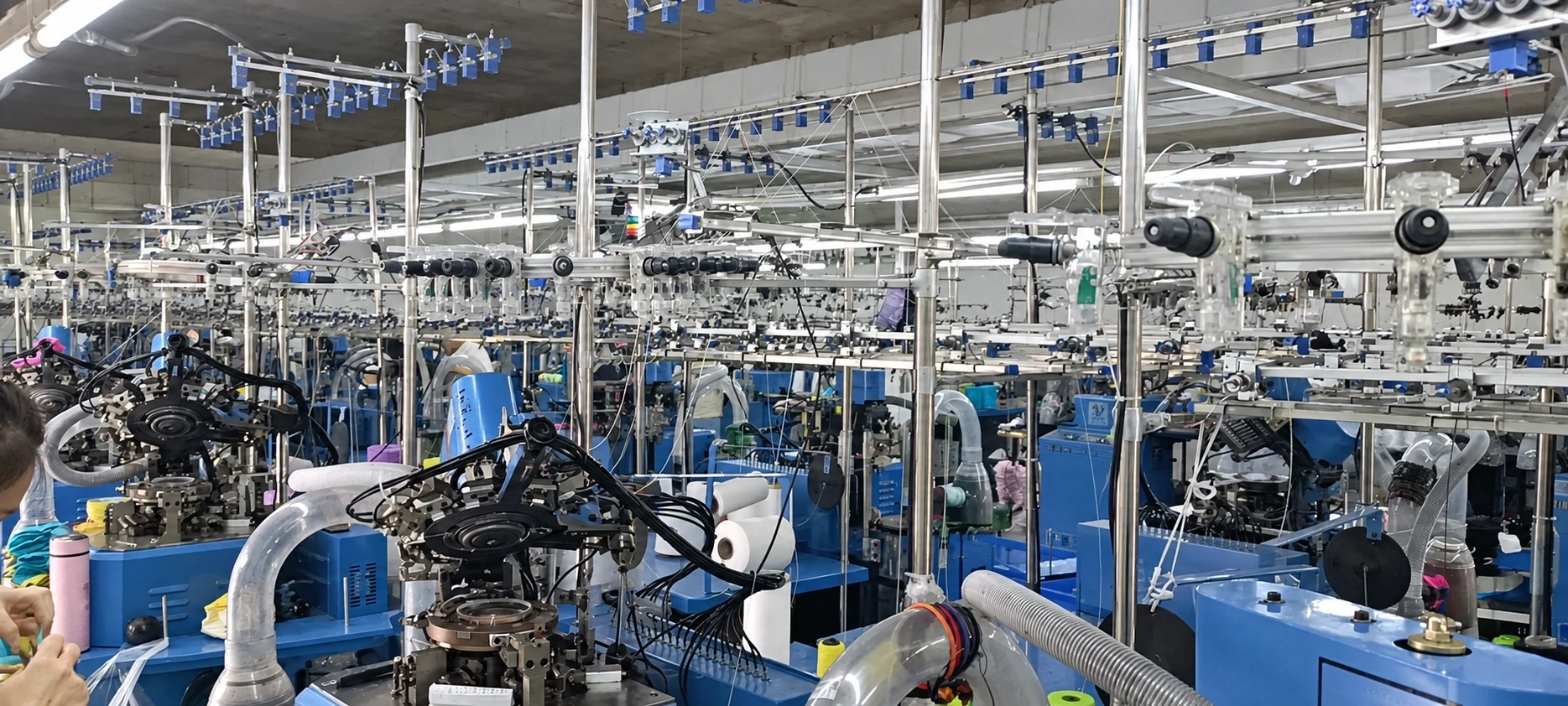
Follow the selected route
Where the construction uses knitted fabric, connect the selected yarn with the agreed fabric structure and subsequent making route.
Confirm whether this material route applies to your glove.
Material for the selected construction
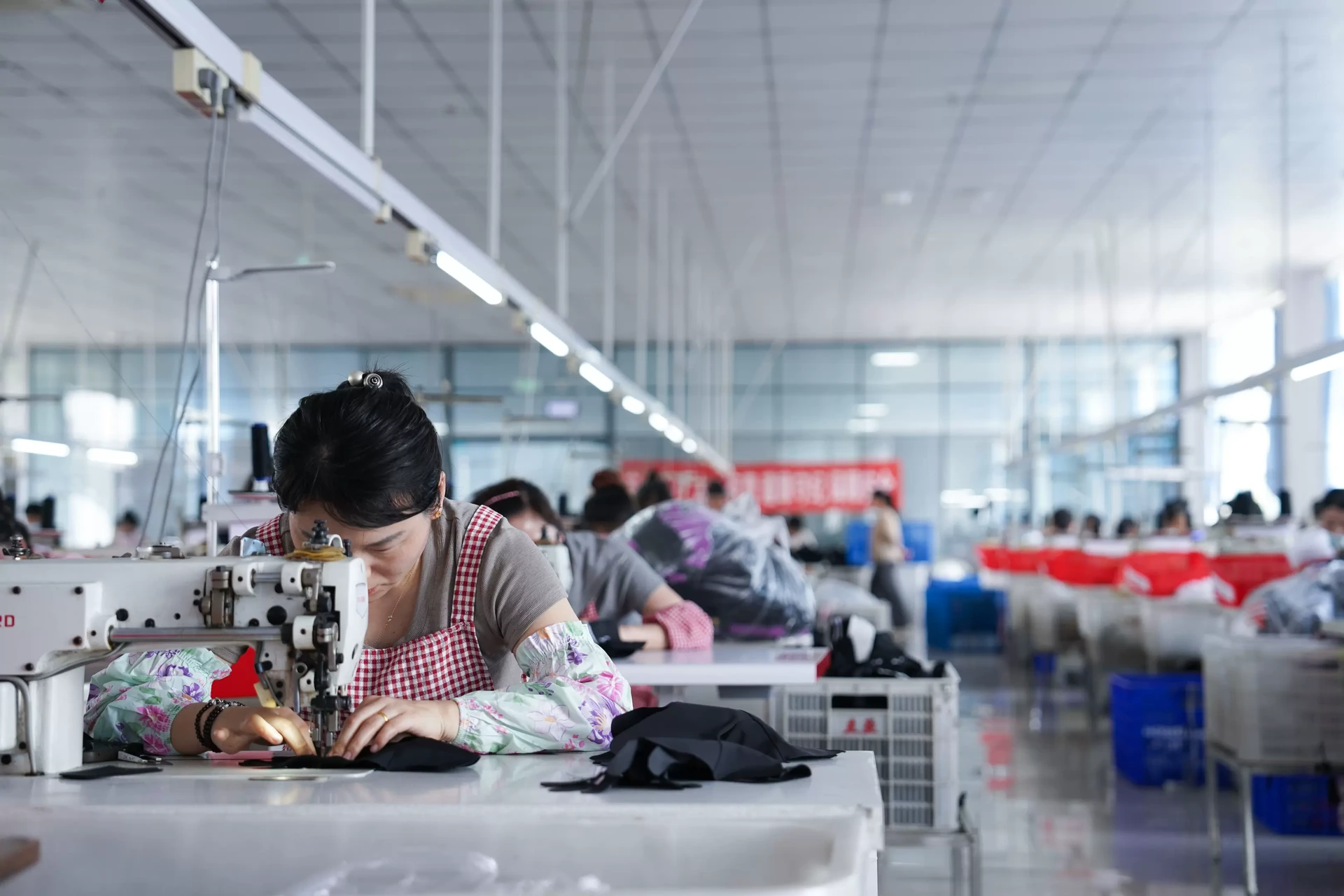
For cut-and-sewn styles
For cut-and-sewn styles, assemble panels, lining and cuffs to the approved construction. Review the inside finish with the exterior.
Confirm seams, lining and cuff details on the complete sample.
Assembly to the approved construction
Check the finished work, then organise it for the agreed assortment.
Stages 05 — 06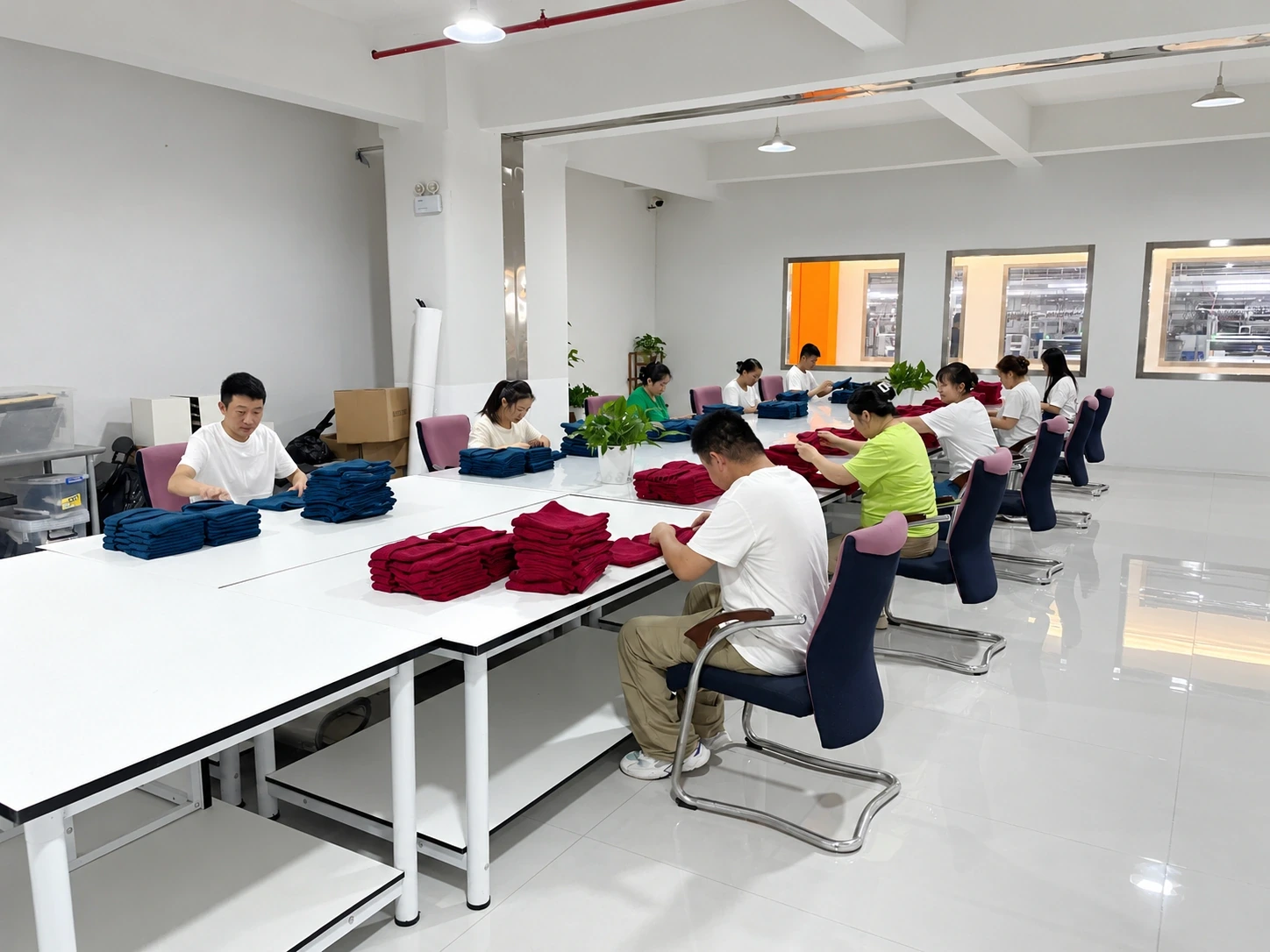
Check the finished work
Our worktable photograph shows manual review of knitted items. For glove orders, we inspect every finished pair against the agreed product requirements.
Agree dimensions, workmanship, pairing and any separate test requirements.
Finished pairs checked against the order reference
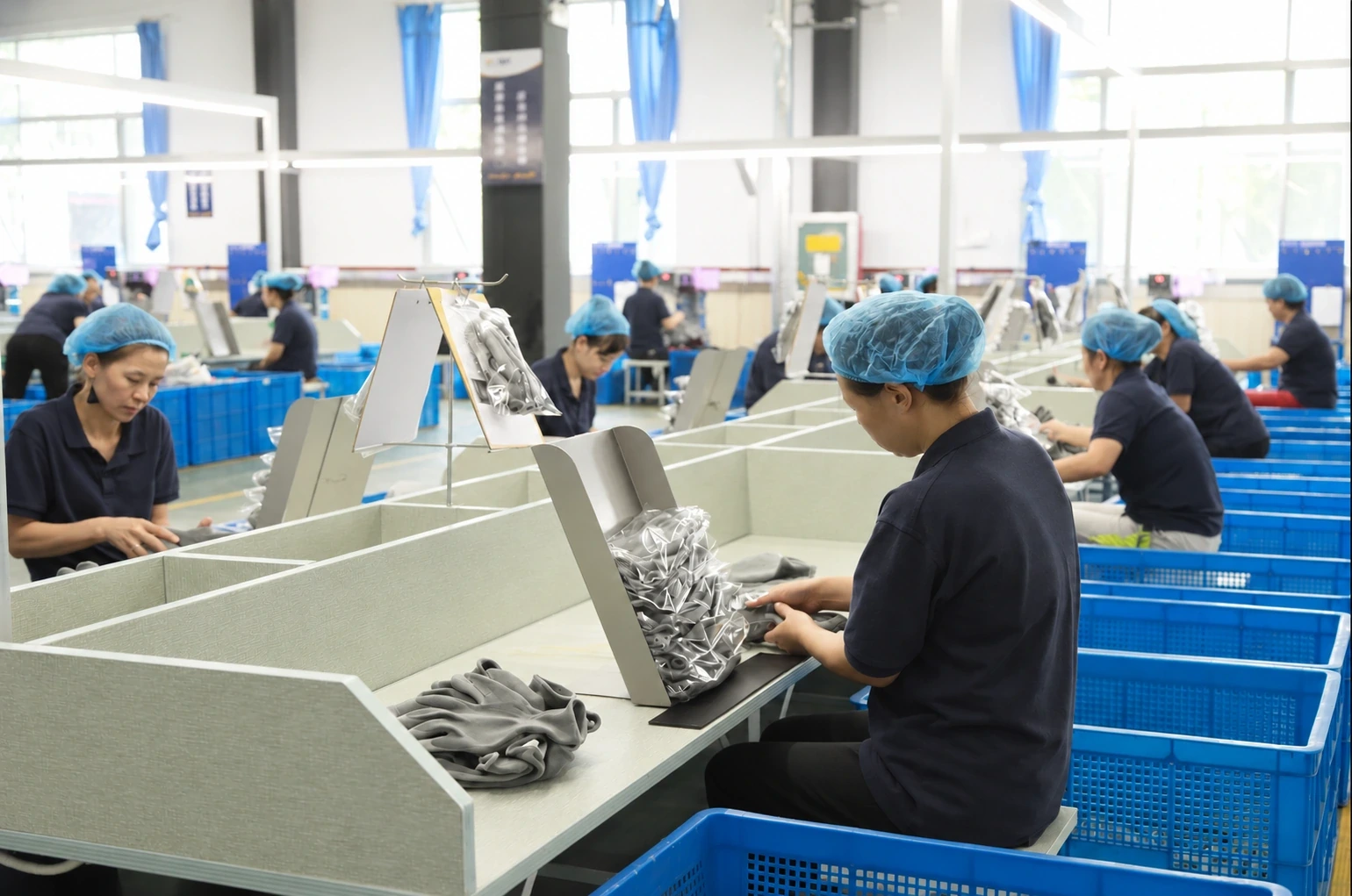
Prepare the order
Match finished gloves to the approved style, color and size assortment before unit packing and carton preparation.
Confirm quantity units, labels, artwork versions and carton marks.
The agreed assortment, packed
Your approved sample remains the reference, from making to the final check.
Working directly with our factory
Move from collection choices to a clearly defined OEM or private label order. The cooperation process keeps buyer decisions and factory work connected.
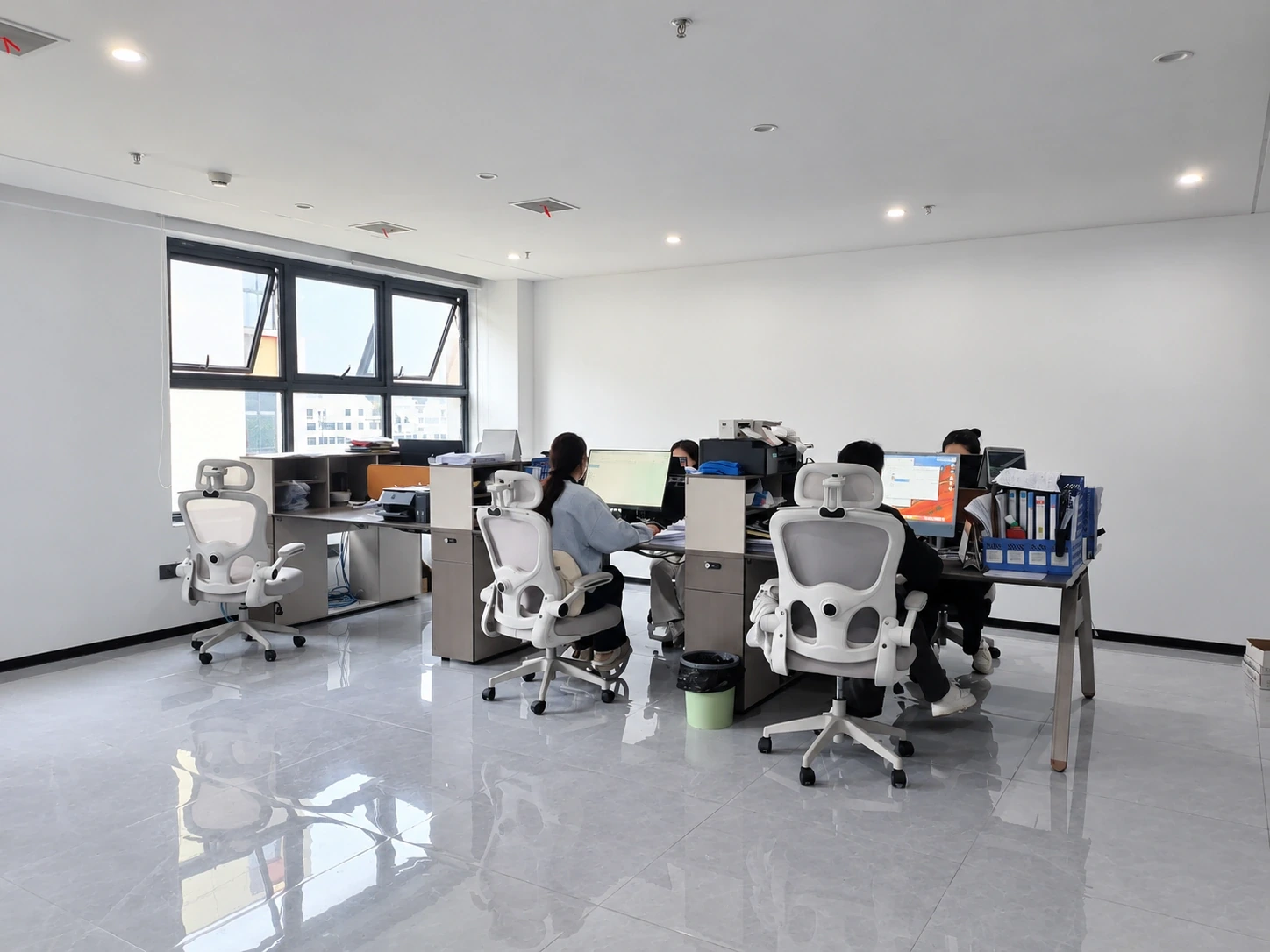
A defined development scope.
A quotation tied to one specification.
A complete glove with resolved revisions.
Written approval for the production version.
Accepted pairs for the agreed assortment.
A defined handoff and reorder reference.
Before we begin
From a first shortlist to sample approval, full inspection and the final packing instructions.
For your planning
The collection provides starting points for OEM and private label development. Choose details to retain or change, then confirm materials, measurements and construction through a physical sample.
Yes. Discuss the complete glove specification, brand application, labels and packing together. Supply the artwork, proposed dimensions and position; approve the application on the selected material before production.
The MOQ is 300 pairs per style per color. Provide the size breakdown within each group. Packing configuration is agreed separately so the quotation, assortment and carton instructions use consistent quantity units.
Sampling takes 7–10 working days and bulk production takes 30–45 working days from the agreed start. Material confirmation, revisions, buyer approvals, transport and clearance need their own place in the calendar.
Send an authorized reference sample, images or a collection brief. Identify your material direction, intended market, quantities and target date, and mark the details that still need development. Agree the scope and approval responsibilities before sampling.
Include the category or reference, construction, material requirements, quantity per style and color, size split, brand artwork, packing, destination and timing. Ask the quotation to identify assumptions and open decisions so different proposals cover the same order.
Provide your size chart or agree the development work required. Define measurement points, units, glove condition and method, then approve the target and allowed variation for each required point. A size label alone does not define the fit.
Yes. VORLAN carries out full inspection of finished pairs, with checks across incoming materials, production and packing. Agree workmanship, measurements, pairing and label requirements in the order specification. Specialist testing has a separate agreed scope.
Create an assortment matrix listing the style, color, size and pairs in each group. Identify shared materials and trims, and show any separate artwork or packing version. Confirm the MOQ and quotation for each style and color.
Confirm label text and attachment, artwork versions, size and color identification, pairs per unit pack, carton assortment and carton marks. Include any barcode or destination-specific requirements in the brief; the final configuration is agreed for your order.
Yes. The online collection is a starting point. Send the actual construction, materials, intended use and any special processing or testing requirements so we can review the relevant sample and manufacturing route.
Retain the approved sample identifier, material references, size specification, artwork, assortment and packing versions. Flag changes before a reorder and reconfirm material availability, quotation and production timing.
A project for your brand
Found a direction? Tell us what you would like to retain, change or explore for your collection.
Preparing your project brief…